









Canggu
Canggu is a lively, fast-evolving coastal suburb on Bali’s southwest coast known for surf breaks, health-focused cafés, rice-field scenery, and a creative expat community. It blends beach-town energy, digital-nomad infrastructure, and boutique lifestyle businesses, making it a top choice for surfers, remote workers, and younger travelers who want both social nightlife and relaxed daytime culture.
Location and character
Where it is: West of Seminyak and north of Kuta, along Bali’s southwestern coastline; roughly 30–60 minutes from Ngurah Rai (Denpasar) International Airport depending on traffic.
Vibe: Trendy, casual, and energetic — a mix of surf culture, cafes, coworking spaces, boutique shops, and rice-field quiet pockets.
Layout: A spread-out area including Batu Bolong, Echo Beach, Berawa, and Pererenan, each with its own feel.
Main attractions and activities
Surfing: Famous surf breaks at Batu Bolong, Echo Beach, and Pererenan suitable for a range of levels (beginners to advanced).
Cafés and wellness: Large concentration of specialty coffee shops, smoothie bowls, vegan/vegetarian restaurants, and boutique wellness studios offering yoga and pilates.
Rice-field walks and photography: Scenic pathways and cafés with rice paddy views, particularly around the quieter inland pockets.
Shopping and design: Independent boutiques, artisanal stores, vintage finds, and local designers selling clothing, homewares, and handcrafted goods.
Coworking and networking: Multiple coworking spaces and meetups catering to digital nomads and freelancers.
Nightlife and music: Beach bars, live music venues, DJ nights, and sunset spots with a social crowd — not as wild as Kuta but socially active.
Beaches and coastline
Echo Beach (Pantai Batu Mejan): Popular for surf, black sand, and sunset bars; lively atmosphere.
Batu Bolong Beach: Central Canggu, easy access to cafés and surf lessons; good for beginners and longboarders.
Pererenan Beach: Quieter and less developed, with good waves for more experienced surfers and expansive sunsets.
Food & drink scene
Specialties: Plant-based and health-focused menus, international brunches, speciality coffee, and contemporary Indonesian fusion.
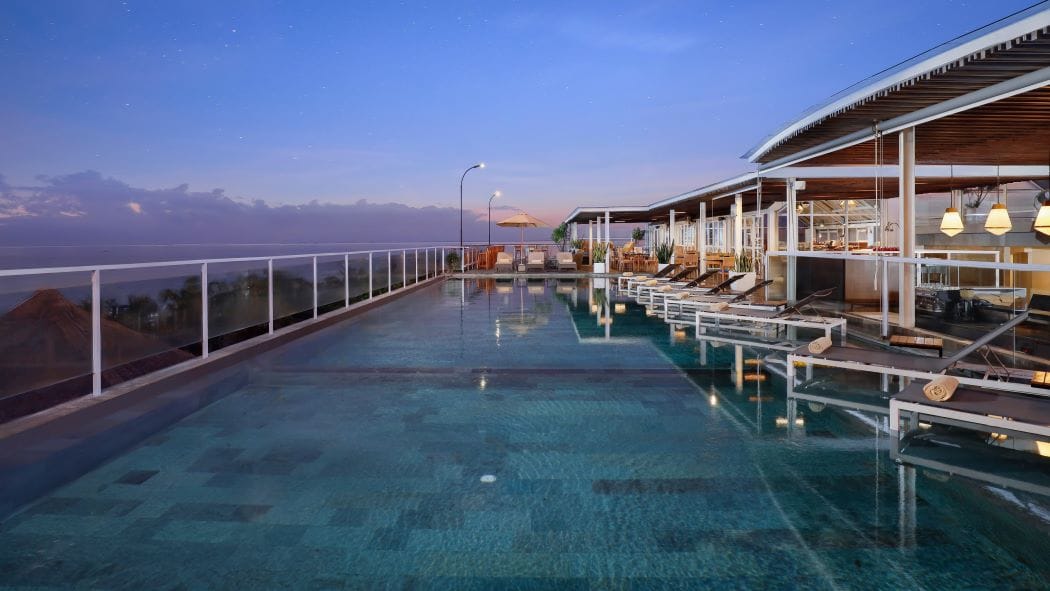
Range: From casual warungs and smoothie stalls to high-end restaurants and rooftop bars.
Local tip: Try local Balinese dishes alongside healthy bowls and creative adaptations of Indonesian cuisine.
Accommodation
Options: Villas (private and often with pools), boutique hotels, guesthouses, and short-stay apartments.
Price range: Mid-range to premium is common; deals available off-season or with longer stays.
Suitability: Good for couples, groups, and long-stay remote workers seeking comfort and amenities.
Practical information
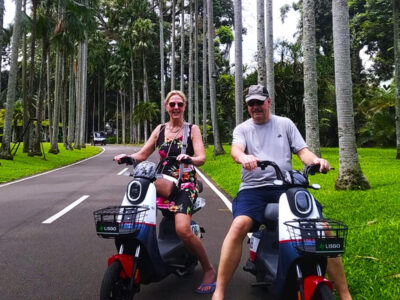
Transport: Scooter is the most common local transport; taxis and ride-hailing apps (e.g., Gojek, Grab) operate widely. Traffic can be slow during peak hours.
Connectivity: Reliable mobile internet and many places offer strong Wi‑Fi suitable for remote work.
Safety: Usual urban-travel precautions — helmet use when riding scooters, secure valuables, and attention to surf conditions.
Weather: Tropical climate with a dry season (April–October) and wet season (November–March).
Recommended choices
Surf lessons: Book with a licensed surf school that provides boards and local guidance.
Coworking: Choose a space close to where you stay to avoid peak-hour traffic.
Dining: Reserve tables for popular brunch spots on weekends.
Stay: If you want nightlife and cafés, pick Batu Bolong/Berawa; for quieter surf and laid-back stays, choose Pererenan.
Unfortunately no accommodations were found.
Unfortunately no tours were found.
Unfortunately no cruises were found.
Unfortunately no car rentals were found.